接上期,一起來研讀林紓(1852-1924)與魏易(1880-1930)合譯的《吟邊燕語》,重溫家喻戶曉的《哈姆雷特》故事。
劇情回顧:
丹麥國王老哈姆雷特突然離世,其弟克老丟繼承了他的王位並娶了他的愛妻。王子小哈姆雷特懷疑是叔叔謀殺了先王。不久後,哈姆雷特聽聞一則傳言:一個與其已故父王外貌很像的鬼,連續兩三個夜晚都出現在王宮前的高台上。他相信那就是父親的鬼魂,決定當夜與士兵一同守夜,希望有機會親眼見到它。
本期講述:
哈姆雷特如願見到父王之魂,父親揭露其真實死因,命令哈姆雷特為他報仇。
以下英文摘自英國散文家瑪麗·蘭姆(Mary Lamb)和查爾斯·蘭姆(Charles Lamb)姐弟的《莎士比亞戲劇故事集》(Tales from Shakespeare),文言譯文摘自1906年商務印書館出版的《吟邊燕語》第64至65頁,讓我們一起向晚清文豪林紓學習古文寫作。我會對部分字詞注釋,或評點部分語句,儘量詳細解釋。
蘭姆原文:
When night came he took his stand with Horatio, and Marcellus, one of the guard, upon the platform, where this apparition was accustomed to walk: and it being a cold night, and the air unusually raw and nipping, Hamlet and Horatio and their companion fell into some talk about the coldness of the night, which was suddenly broken off by Horatio announcing that the ghost was coming.
raw不僅表示生的,還有寒冷、刺骨的意思。nipping意為鋒利的、刺骨的。
夜幕降臨後,王子與霍雷旭及衛士馬塞勒司一同站在高台上,即鬼魂一直出現的地方。當夜寒風刺骨,哈姆雷特、霍雷旭及他們的同伴正談論著夜晚的寒冷,霍雷旭忽然說鬼魂來了,他們的談話因此中斷。
林紓譯文:
「向晚後,遂同霍雷旭、馬塞勒司就王見靈處伺之。是夜,月明風緊。太子方與霍雷旭語寒狀,忽霍雷旭愕然語曰:『王至矣。』」
「When night came」即傍晚過後,太陽已下山,也就是「向晚後」。向晚即傍晚、黃昏,李商隱〈樂遊原〉詩中「向晚意不適,驅車登古原」說的就是傍晚時。
下一段英文:
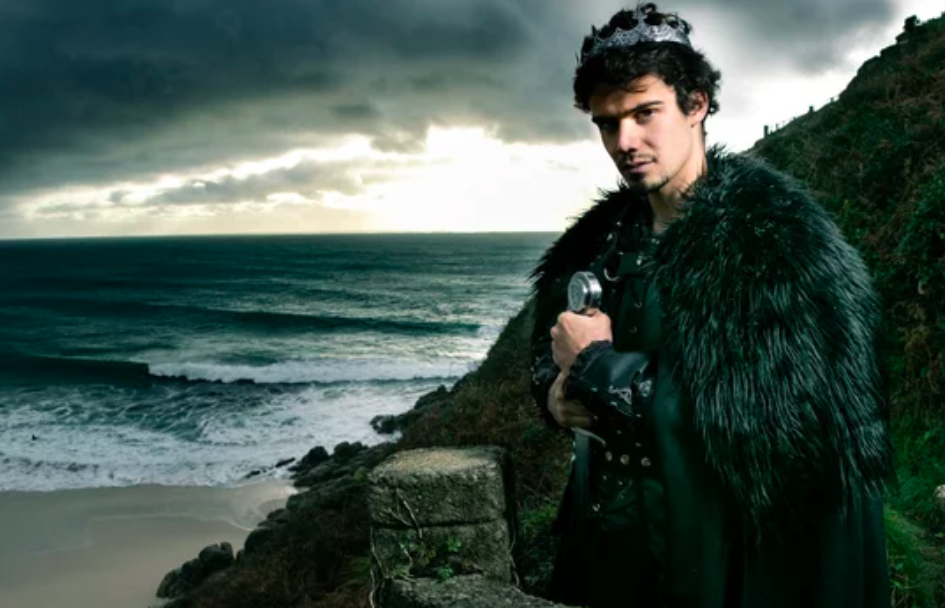
At the sight of his father’s spirit, Hamlet was struck with a sudden surprise and fear. He at first called upon the angels and heavenly ministers to defend them, for he knew not whether it were a good spirit or bad; whether it came for good or evil: but he gradually assumed more courage; and his father (as it seemed to him) looked upon him so piteously, and as it were desiring to have conversation with him, and did in all respects appear so like himself as he was when he lived, that Hamlet could not help addressing him: he called him by his name, Hamlet, King, Father! and conjured him that he would tell the reason why he had left his grave, where they had seen him quietly bestowed, to come again and visit the earth and the moonlight: and besought him that he would let them know if there was anything which they could do to give peace to his spirit.
piteously,令人憐憫地、淒慘地。conjure,強烈請求。grave,墳墓。bestow,可表示存放、留宿,在此表示安葬。besought是beseech的過去式,意為懇求。
見到酷似父親的鬼魂,王子頓時又驚又懼。起初,他呼求天使保護他,因為他不知道那鬼究竟是善靈還是惡靈。但他漸漸鼓起了勇氣,因為它神情哀戚地望著他,彷彿渴望與他交談,而且無論在哪一方面,它都與父王生前的模樣毫無二致,因此王子不禁對它說話。他呼喚道:「哈姆雷特,國王,父親!」並懇求父王說明,為何離開自己的墳墓,他們曾看見他已安葬其中;為何再次來到人間,在月光下現身。王子又懇求父親告訴他們,是否有什麼事是他們可以做的,好讓他的靈魂得到安寧。
林紓譯文:
「太子驟見王,大震,莫省其福禍。更視,則王殷憂有墨色,似欲臨詔太子。太子知不為禍,遂稱曰:『父王,漢姆來德王!何事犯月而前,乃不安於梓宮?王試詔我,我必令王魂魄宅於寢園。」
省,此處讀音同「醒」,意思是知道。「莫省其福禍」即不知道是福是禍,對應「he knew not whether it were a good spirit or bad」。若那鬼是惡靈,可能會傷害他。
殷憂,指深憂,例如阮籍〈詠懷詩〉:「感物懷殷憂,悄悄令心悲。」
「有墨色」,林先生譯得很好。描述老國王表情哀傷淒慘、piteous,可以說他面色暗黑如墨,以墨色形容哀傷源自《孟子·滕文公上》:「君薨,聽於冢宰,歠粥,面深墨。」
犯月,即來到月光下。犯有頂著的意思,如蘇軾〈岐亭〉:「知我犯寒來,呼酒意頗多。」
梓宮,指皇帝的棺木。

之後王子跟隨父親的靈魂來到四周無人的地方:
And when they were alone together, the spirit broke silence, and told him that he was the ghost of Hamlet, his father, who had been cruelly murdered, and he told the manner of it; that it was done by his own brother Claudius, Hamlet’s uncle, as Hamlet had already but too much suspected, for the hope of succeeding to his bed and crown. That as he was sleeping in his garden, his custom always in the afternoon, his treasonous brother stole upon him in his sleep, and poured the juice of poisonous henbane into his ears, which has such an antipathy to the life of man, that swift as quicksilver it courses through all the veins of the body, baking up the blood, and spreading a crust-like leprosy all over the skin: thus sleeping, by a brother’s hand he was cut off at once from his crown, his queen, and his life: and he adjured Hamlet, if he did ever his dear father love, that he would revenge his foul murder.
henbane,天仙子,一種野生毒草。antipathy意為不相容,「antipathy to the life of man」即能夠奪走人的生命。quicksilver,水銀。vein,靜脈。adjure,要求、命令。foul:惡劣的、下流的。
待他們單獨相處時,鬼魂告訴哈姆雷特王子,他就是其父親,遭人殘忍殺害,並將事件的經過告訴了他。老國王說,殺害他的人正是他的親弟、小哈姆雷特的叔父克老丟,正是哈姆雷特先前懷疑的人。
他說,一天下午,他如往常那樣在花園裡睡覺,弟弟趁他熟睡,偷偷來到他身旁,將有毒的天仙子汁灌入他耳中。這種毒液是致命的,它如水銀般迅速流遍全身血脈,烘烤血液,使全身皮膚布滿如痲瘋般的痂殼。就這樣,在睡夢中,他被自己的弟弟奪去了王位、王后和生命。
他囑咐小哈姆雷特,若他真心愛過自己的父親,就要為這惡毒的謀殺報仇。
林紓譯文:
「人鬼既至隱處,王發聲曰:『余為漢姆來德,爾父也。吾實見謀於克老丟。余每飯後,必行花陰,或即花陰而臥。克老丟寘毒余耳,藥入週於四肢,余立成為枯腊。因之,克老丟得爾母及余位。爾當圖復此仇!』」
「見謀於克老丟」,意即被克老丟謀害。「見」用在動詞前,可表示被動,如《史記·屈原賈生傳》:「信而見疑,忠而被謗。」
「寘毒余耳」,也就是「將毒藥放入我耳中」。「寘」有放置的意思,讀過《詩經》、《左傳》的朋友很可能熟悉這個字,《詩經·周南·卷耳》曰:「嗟我懷人,寘彼周行。」鄭玄注:「寘,置。」(《毛詩注疏》卷一)「寘彼周行」即把筐放在大路上。又如《詩經·小雅·谷風》:「將恐將懼,寘予于懷。」鄭玄曰:「寘,置也。置我於懷,言至親己也。」(《毛詩注疏》卷十三)又如《左傳·隱公元年》:「遂寘姜氏于城穎。」此處「寘」也是放置的意思。
得知父王死因的真相後,哈姆雷特王子將採取哪些行動呢?請看下期!