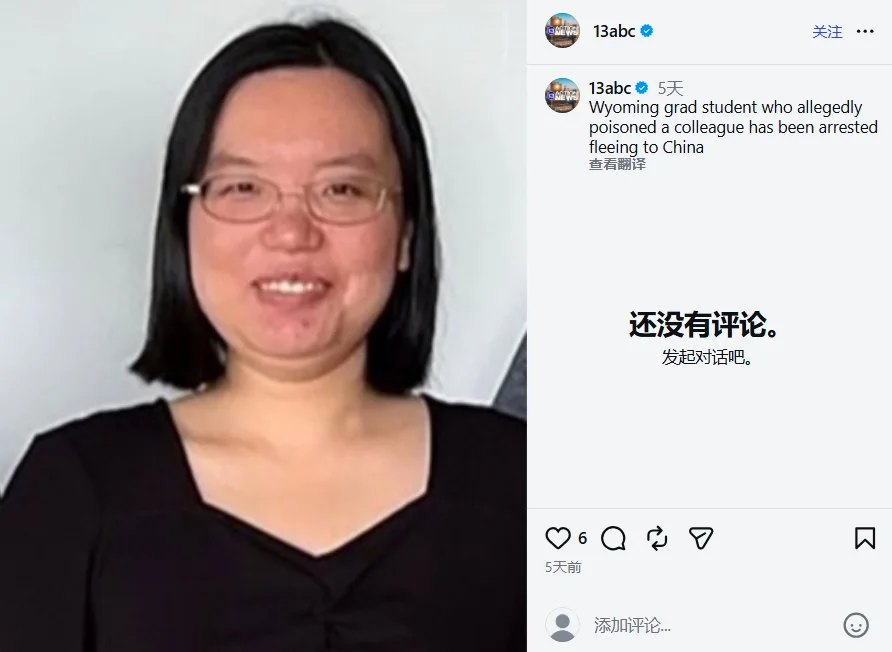
美國懷俄明大學(University of Wyoming)32歲中國籍女研究生王艾莉(Aili Wang,音譯)涉嫌投毒企圖傷害同實驗室的越南籍研究生,於10月6日在洛杉磯國際機場被捕,當時她正準備離開美國。
據英國廣播公司(BBC)及美聯社報導,王艾莉在懷俄明大學主修微生物學。檢方指控她涉嫌將丙烯醯胺(acrylamide)混入一名越南籍研究生使用的咖啡機中。受害人在法庭文件中以「K.T.」代稱,真實身份未公開。
根據法庭文件,王艾莉涉嫌於今年年中兩次通過網路購物平台eBay購買丙烯醯胺,之後要求平台刪除其賬戶。丙烯醯胺是一種具有神經毒性的化學物質,接觸或攝入過量可能損害神經系統。
10月5日,校園警察就相關事件詢問王艾莉。她聲稱自己已經多年沒有使用丙烯醯胺。次日,執法人員在洛杉磯國際機場將她逮捕,並查扣筆記本電腦、電子儲存設備及手寫文件。檢察官稱,她當時正試圖返回中國。
據美聯社報導,受害人正在參與一項涉及癌症等疾病治療的研究,相關成果正在申請專利。兩人的指導教授、微生物學家馬克·戈梅爾斯基(Mark Gomelsky)表示,王艾莉此前論文答辯未獲通過,兩名研究生之間存在矛盾,但檢方尚未證實這些情況是否與涉嫌投毒的動機有關。
懷俄明大學證實,王艾莉因涉嫌使用化學物質傷害實驗室同事,被控加重攻擊及傷害重罪(felony aggravated assault and battery)。校方副校長查德·鮑德溫(Chad Baldwin)表示,校園警察已將調查結果移交檢察機關,學校同時啟動學生紀律程序。
根據BBC報導,王艾莉面臨的重罪指控最高可判處10年監禁及1萬美元罰款,法院已將保釋金提高至150萬美元。
目前,案件仍處於司法程序中,王艾莉尚未被法院判定有罪。校方強調,應遵循無罪推定原則。
🇨🇳 Aili Wang, a University of Wyoming microbiology graduate student from China, has been arrested on accusations she poisoned the tea of a colleague who had pending patents and with whom she didn』t get along, and then tried to flee the country after police questioned her.
Wang was arrested at Los Angeles International Airport on Oct 6 while attempting to return to China. With her were laptops, electronic storage devices and documents now in the possession of police, who allege Wang was seen on surveillance video rummaging through the desk of the victim who specialized in technology for disease treatment — research similar to work she』d done in China.
Wang remains jailed without bail in Los Angeles.
She bought acrylamide over eBay, and it was first detected when the victim』s wife and others tested water from the coffee maker he used to brew tea.
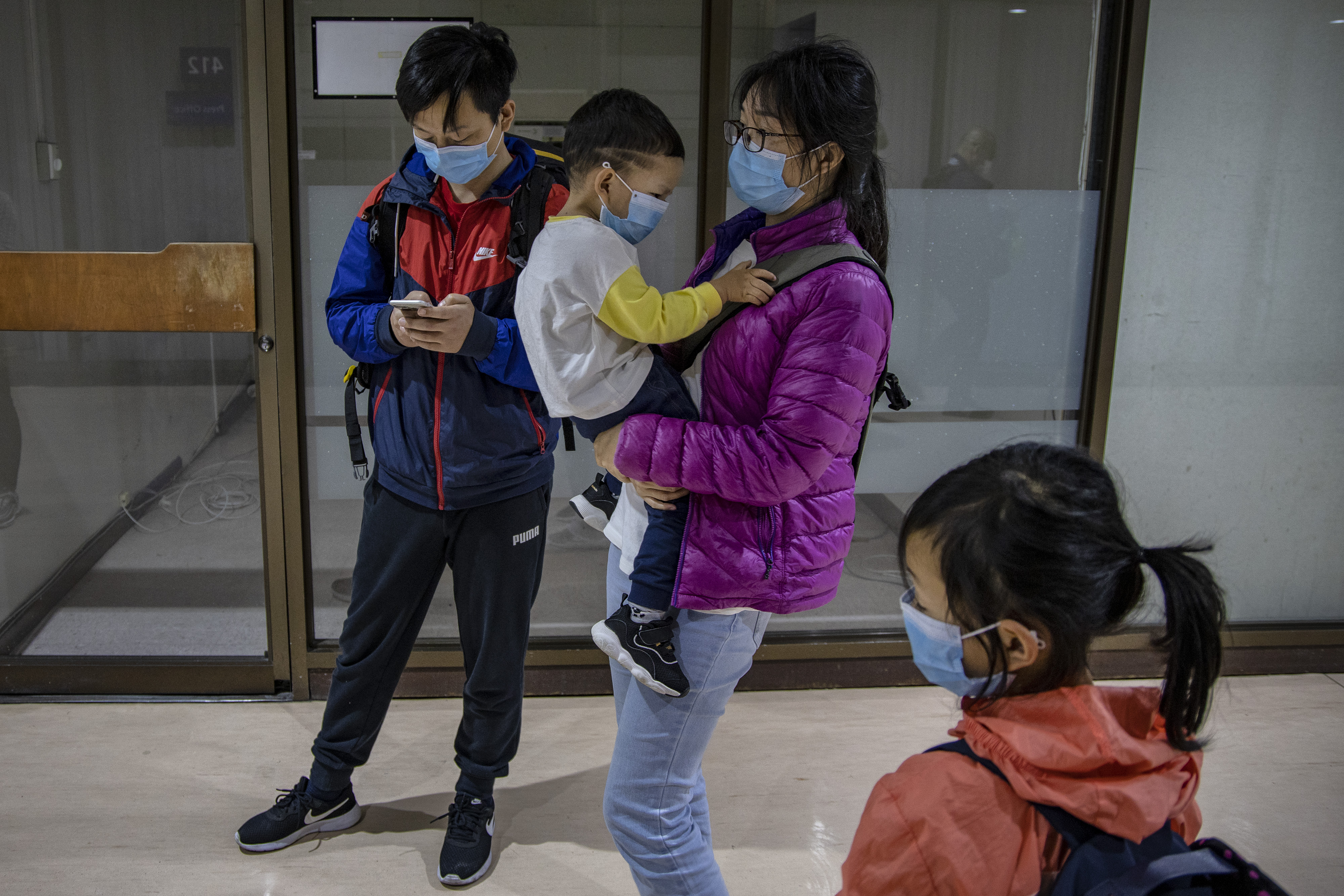
The police investigation began after the victim 「K.T.」 — Kiet Tran, the man standing next to Wang in lower right pic — began experiencing symptoms and his wife and others isolated the chemical in the coffee maker water. The victim and campus police then set up surveillance cameras in the office space he shared with Wang at the university in Laramie.
Wang was recorded on Sep 27 going through the victim』s desk. On Oct 1, she was recorded 「taking photos and manipulating notebooks」 on his desk, as well as rinsing out his mug with a liquid from her own mug.
During an interview by campus police on Oct 5, Wang said she 「had not used acrylamide in years.」 A day later she was taken into custody in Los Angeles while in possession of 「multiple laptops, multiple portable external digital storage devices, related accessories, physical records and written materials,」 according to a request by Wyoming prosecutors to 「significantly increase」 her $200,000 bond upon extradition.
Wang had no reason to go through the desk of the other student whose federally funded, patent-pending research involved new technology for cancer, neurological and genetic disease treatment.
Wang 「was reportedly working on similar research in China before coming to the US.」The victim as a highly successful student from Vietnam.
Wang failed her first attempt to defend her dissertation and became envious of her colleague』s success in discovering how to deliver RNA to human cells using bacteria.
The victim began experiencing extreme tiredness, inability to sleep and other unexplained symptoms such as finger tingling and numbness, and leg weakness soon after attending a prestigious conference in Aug.
He also noticed a strange taste in the tea that he made with a small coffee maker on his desk. When he washed the coffee maker, the taste would go away.
Suspecting someone in their shared office could be poisoning the graduate student, a chemistry professor tested the water and identified acrylamide — which is 「not something you would find in that kind of quantity anywhere.」 63 milligrams of white powder that tested positive for acrylamide were isolated.
Wang faces a felony aggravated assault and battery charge in Wyoming punishable by up to 10 years in prison and a $10,000 fine.
It』s not clear when she could be extradited to the state, where Albany County Circuit Court Judge Robert Sanford granted prosecutors』 request and raised bond to $1.5 million cash-only.
Wang had asked eBay to delete her account after she bought acrylamide there twice last summer.
Best known as a carcinogenic byproduct of cooking starchy food and burning tobacco, acrylamide can be acutely toxic in high doses. It』s used in microbiology research involving proteins or DNA.
The victim was working on a pretty promising cancer therapy method. Wang took photos of every page of a notebook the victim left on his desk.
The victim continues to experience symptoms from the poisoning. Acrylamide is a neurotoxin that cannot be neutralized so it stays in neurons and basically kills them. So it』s unclear if he』ll fully recover or not.
https://t.co/OZQxfyqaHu
— Byron Wan (@Byron_Wan) October 14, 2026